top of page
Full Court Uprising
Lead + Enemy Combat Designer
Full Court Uprising is an action-adventure where you play as Xiara, a high school engineer, as she battles corruption across a Frutiger Aero-themed future Los Angeles, taking down E.C.I.(Ethnic Compliance Initiative) Officers hunting you down.
Full Court Uprising has been in development for roughly 9 months as part of the Community Games Lab at USC, run by Dr. TreaAndrea Russworm, and is currently available on itch.io with this Link.
My Responsibilities included:
-
Design and implement the core enemy behavior system and iterate on the combat game feel
-
Design and implement two unique enemy types
-
Build challenging encounters with various enemy types ranging in difficulty
-
Create a dynamic enemy combat system that challenges players to master their combat abilit

Jump to a specific section
Enemy Combat Main Goals
-
Design 3 unique enemies types centered around a specific archetype
-
Create a combat system where enemies duck in and out of combat with the player but do not overwhelm them
My main goal with creating enemies was to was to create enemies that represent different archetypes we commonly see in games to challenge players to master the combat skills at their disposal. These were my two biggest goals when tackling implementing enemies:
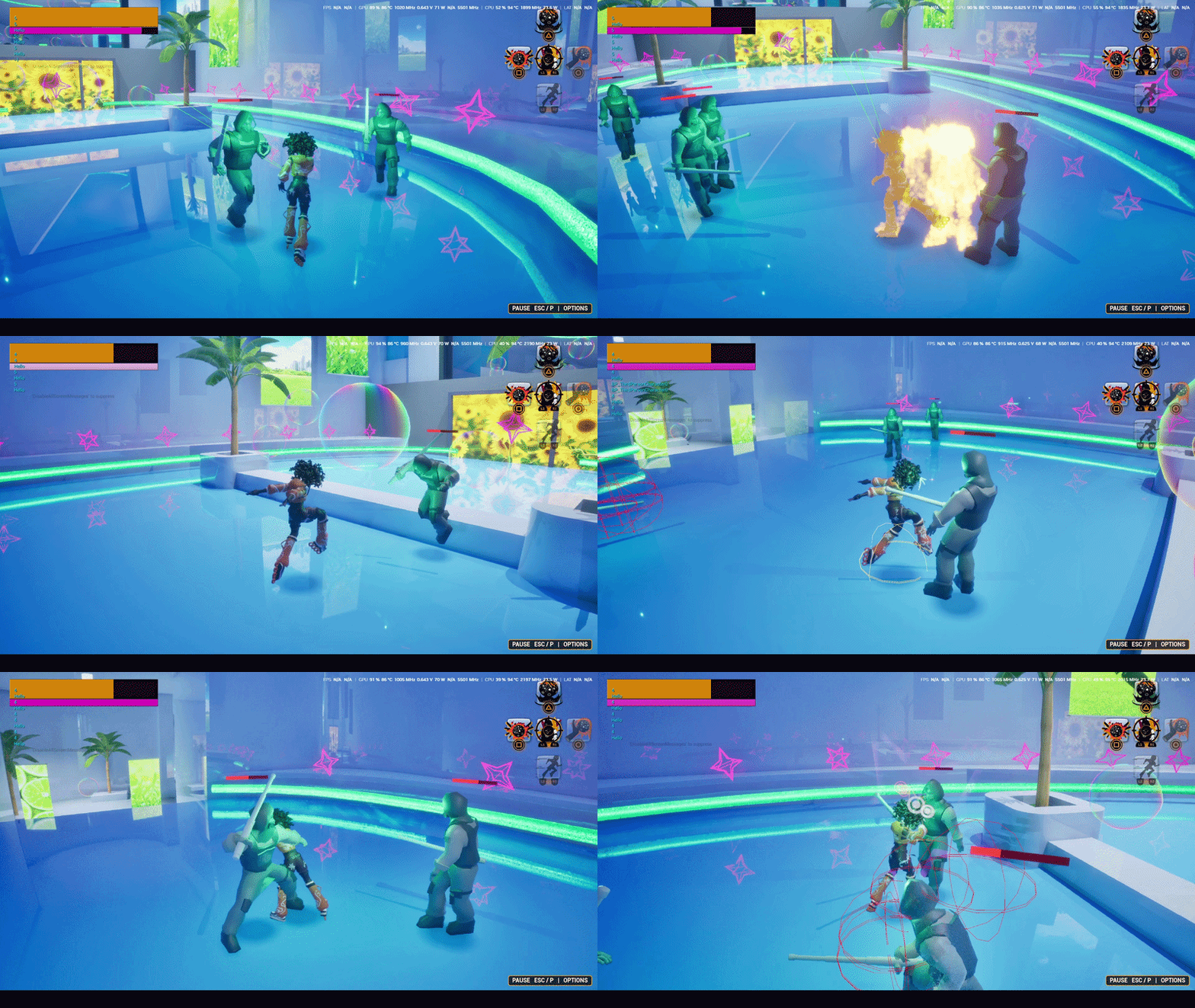
Enemy Combat Anchor
TN Attacking a Bolt Enemy
Workflow
Designing Our Archetypes
To start I wanted to create 3 types of enemies the player will face centered around common enemy archetypes. This was a back n forth process with our director to help define what kind of enemy archetypes best suit our project. These are some notes we took from our first enemy designs:
-
Enemies attacks should be very telegraphed so Xiara has the opportunity to counter attacks effectively
-
Enemies should feel easy to deal with alone and dangerous in clusters
-
Each archetype must interact with the player differently, making each archetype unique
These principles were the core of how I would build the first iteration of enemies. These first iterations include a melee and ranged enemy who work in colonies but there was still a lot of to do to create enemy combat that feels good.

Slide 1: First Draft of Enemy Design Doc
Slide 2 & 3: Final Draft of Enemy Design Doc
Developing Stronger Enemies
As time went on I felt as though combat just felt too easy. clusters hardly posed any challenge so I continued to build up what enemies could accomplish. These are a list of changes I made to each enemy type:
-
Ranged enemies spend less time waiting between shots and moves to always have LOS with the player
-
Melee enemies now have the chance to circle the player before attacking lying in wait as a part of their attack behavior
-
There are now armored enemies that the player can't stun and hit harder
These additions helped create the a more challenging combat experience for players. Players now must be more attentive with how they engage in combat. I previously thought this was the end of iteration but one meeting would change all of that.
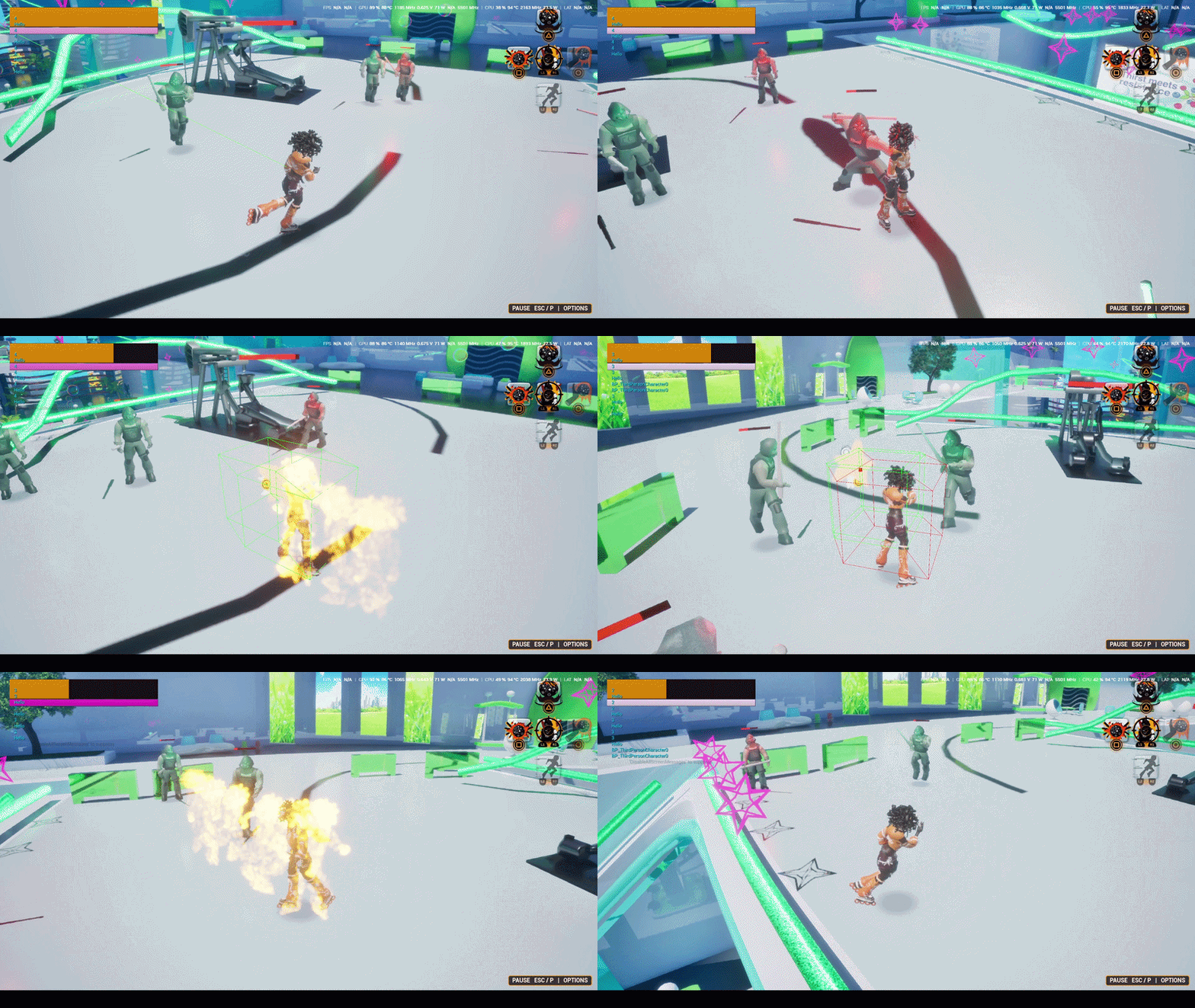
TN launching a bolt enemy off of the map
Enemy Combat System Anchor
Meeting with Dan Mueller
Sometime in mid September our director and I had a meeting with Dan Mueller. Dan saw a lot of untapped potential for how enemies interact in combat and opened my eyes to a lot of new ideas and concepts. Here are a few notes from the meeting:
-
Enemy attacks should vary in speed with enemy types and as the game progresses
-
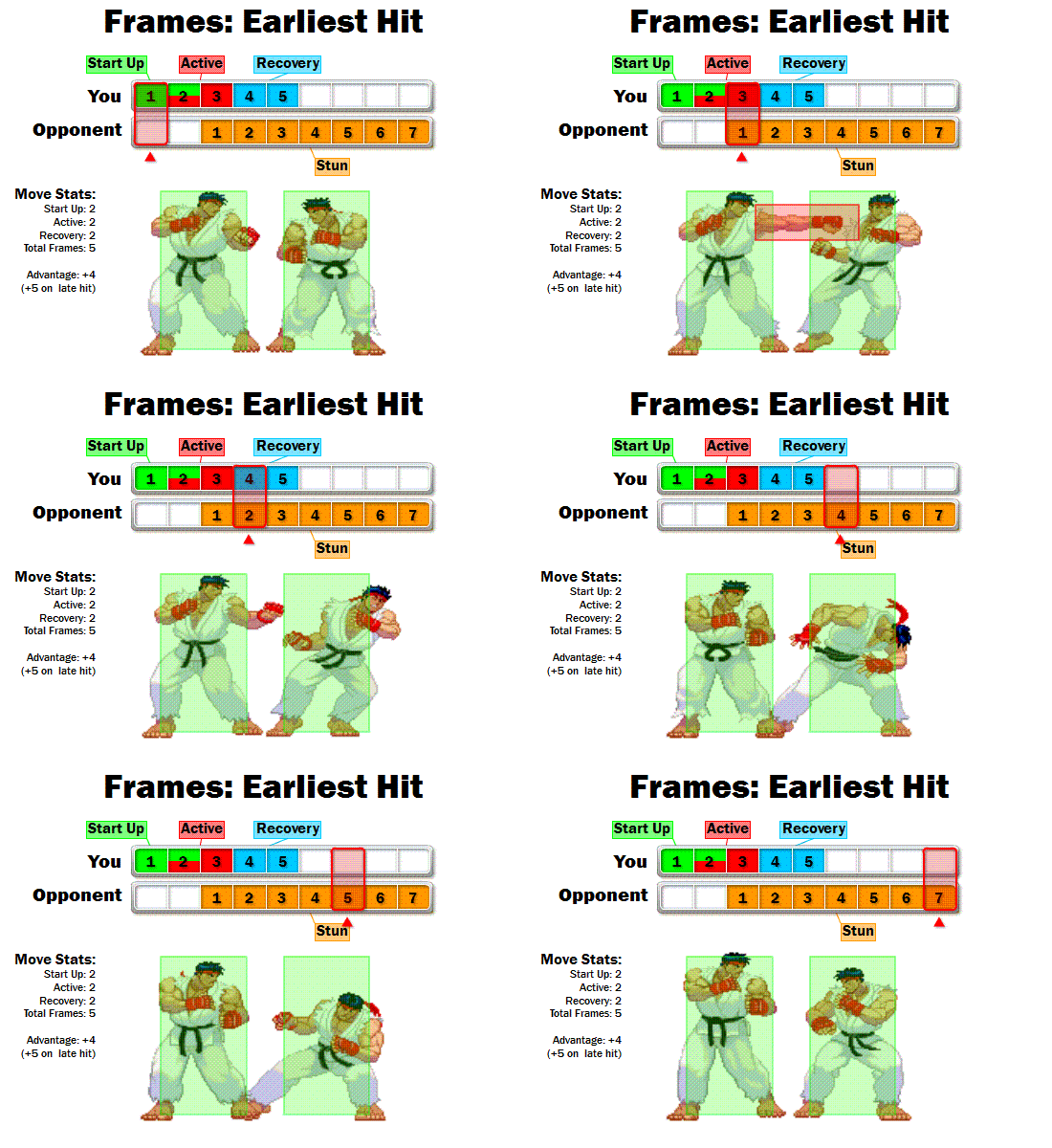
like in fighting games, refer to the frame count of your attacks and knoww whats fast and whats slow
-
-
Difficulty can come from overwhelming numbers but more often than not, feels better when it comes from challenging encounters
-
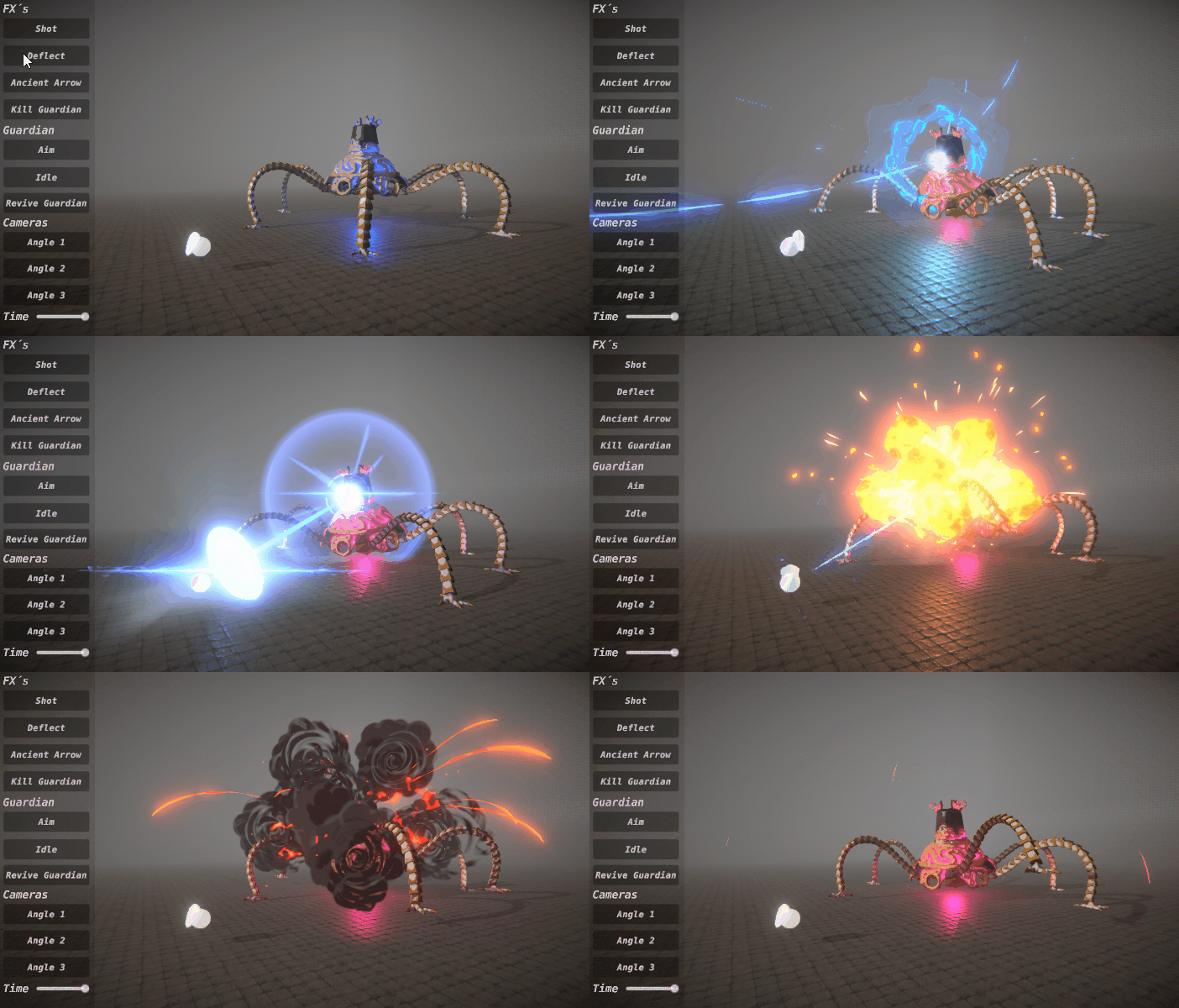
You need to find ways to make moves more telegraphed using VFX and SFX
This meeting led me to look more into the kind of experience I wanted to craft for players. So I started to do more research and iterating to help improve wherever we could.
Enemy Changes and a New Combat Manager
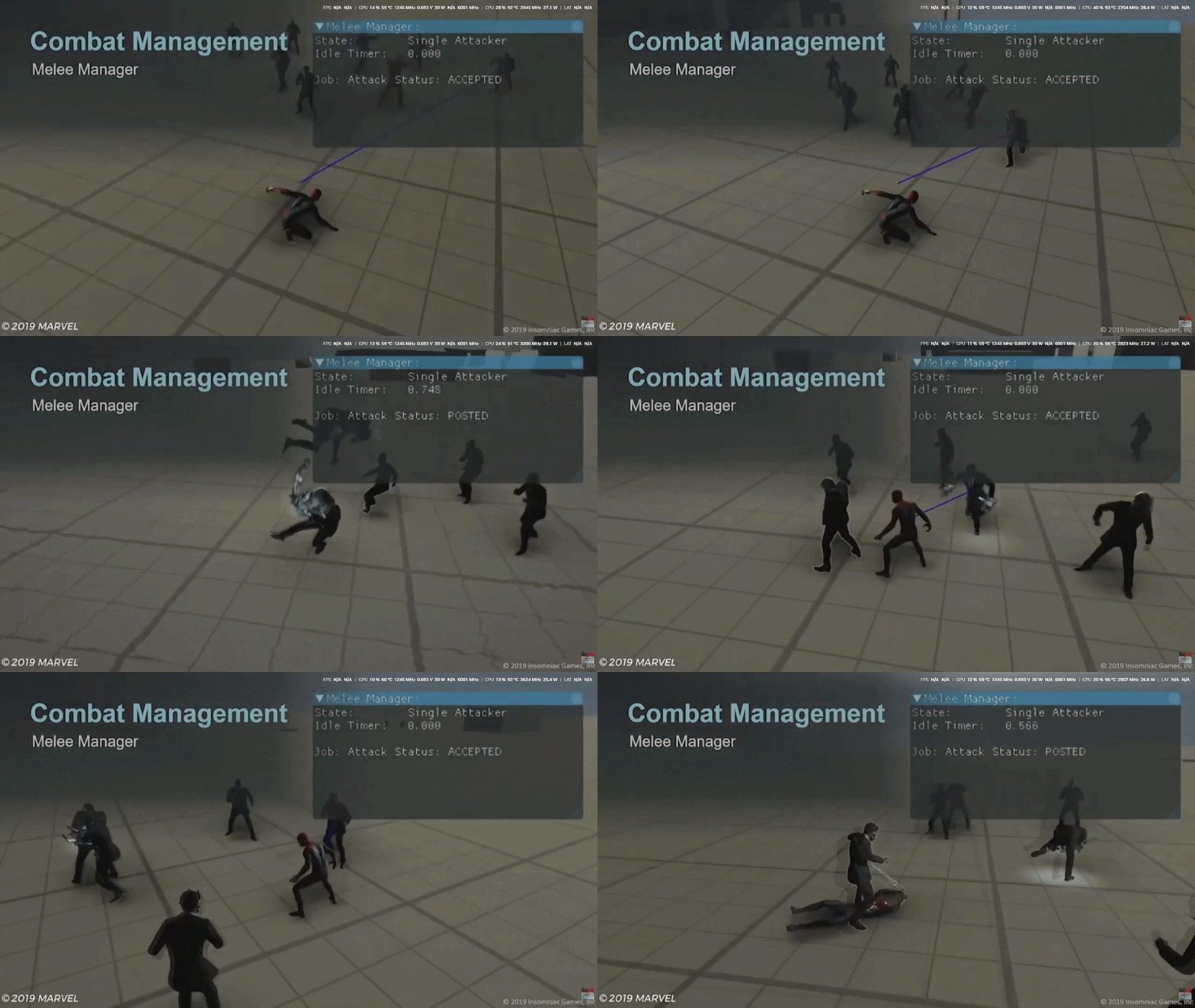
After the meeting I looked into a few games I could learn from and stumbled across a GDC talk by Adam Noonchester, Lead Gameplay Programmer for Insomniacs Spider-Man talking about the combat manager he created for Spider-Man that helped manage the grouping up of enemies. With this I had the final piece in a list of changes I wanted to bring to combat:
-
Create a manager to keep enemies from grouping up on the player
-
Implement a new advanced enemy adjusting the frames of their attack to be faster than standard enemies
-
Adjust armored and ranged enemy. Adding more frames to telegraph armored enemy attacks and add a light to telegraph when ranged enemies are ready to fire

New Enemy Behavior Tree With Extended Enemy States
Old Combat System
Levels to Difficulty
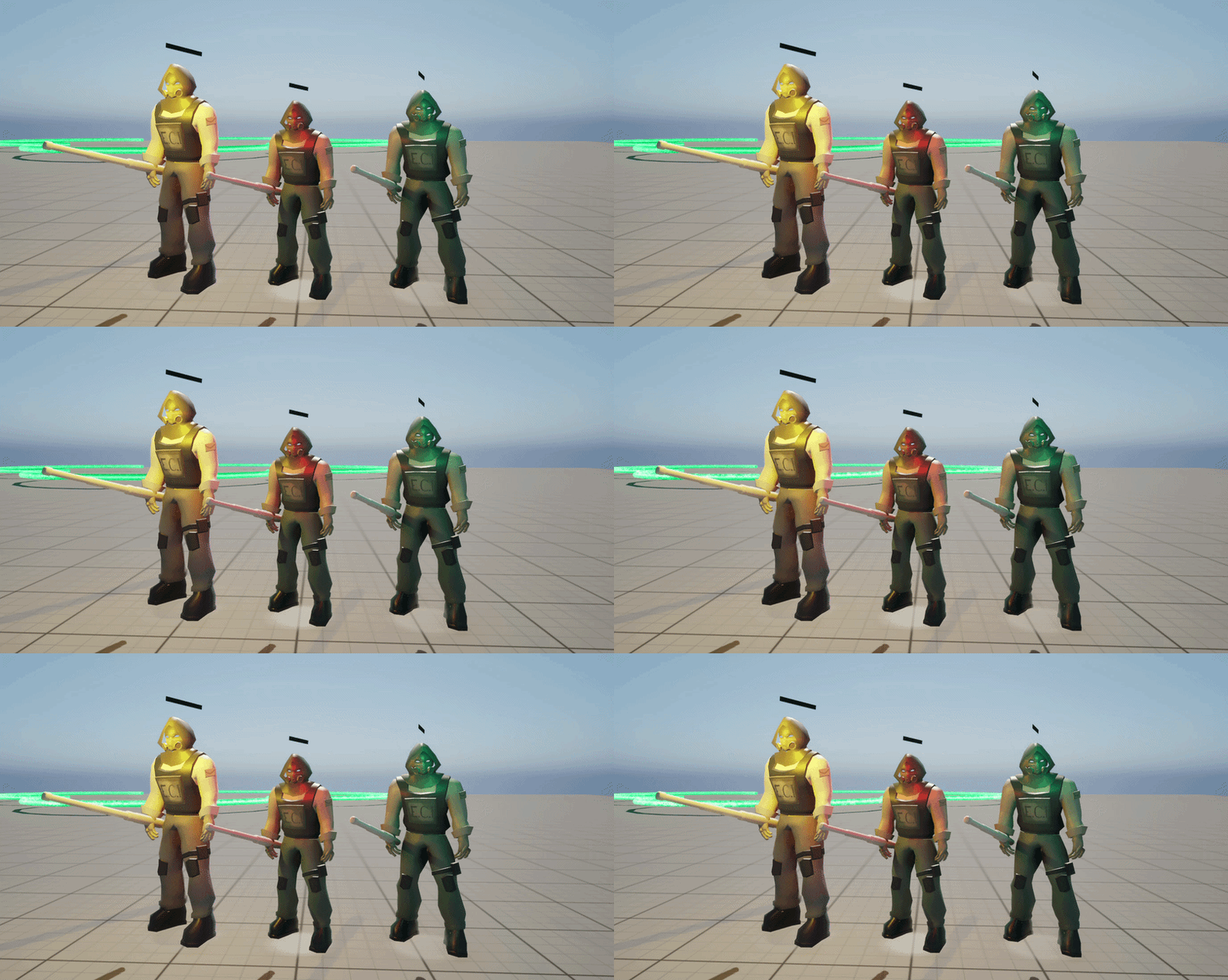
The last layer of difficulty I added was adding the final touch to each enemy type that provides enough challenge to players while also telling the player how each enemy will interact with them. Here are a list of my changes to each:
-
Armored Melee Enemy - Attacks and moves slower(24-32 frame wind up) while not being effected by any stun. Larger than other enemy types.
-
Advanced Enemy - New Enemy type. slightly smaller and faster than standard melee enemies and attacks faster(16-22 frame wind up)
-
Ranged Enemy - Red light added when charging up a shot with an SFX warning players when a shot is about to fire
Implementing a New Manager
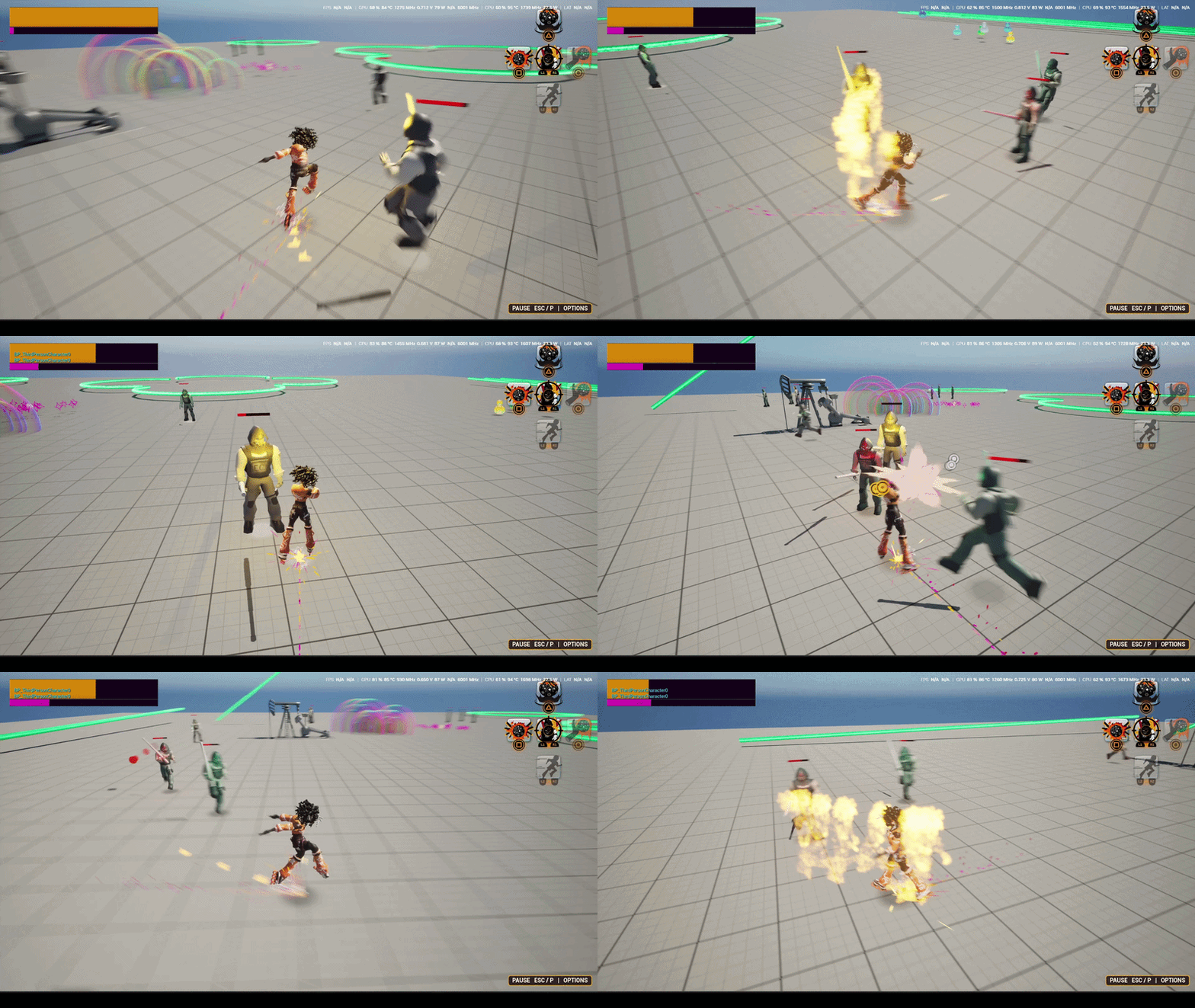
This new manager was implemented using a new colony object assigned to each encounter. Here's all the things this new colony system was in charge of:
-
Colony will alert all enemies assigned to an encounter when combat starts
-
Colony sets all melee enemies to Lying in Wait. a new state where enemies circle the player waiting to attack
-
Colony will set a random enemy to attack the player, then return to Lying in Wait, then it will choose another enemy until all enemies are defeated
This new colony system allows for combat to ask players to think more tactfully on how to deal with different kinds of encounters, and allows me to create meaningful encounters to challenge players.
All New Melee Enemy Types
bottom of page